Donor zone hairline
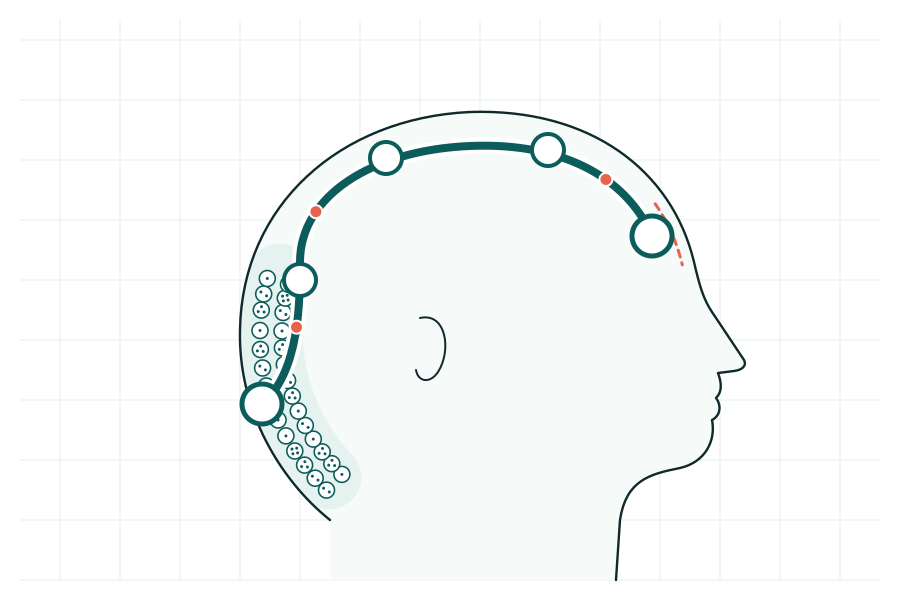
Every graft travels the same line
A hair transplant moves your own follicles from the back of the head to where hair has thinned. Donorline follows that route stop by stop: how the surgery works, who it suits, what recovery really looks like and where it goes wrong, from named sources and never from a clinic's brochure.
- Donor zone The back and sides, where follicles are programmed to stay.
- Harvest Grafts come out one by one (FUE) or as a strip (FUT).
- Crown The swirl at the top-back: slower to judge, harder to recreate.
- Mid-scalp Native hair here may keep thinning after surgery.
- Hairline Drawn for the face you will have in twenty years.
The line, stop by stop
Ten guides in the order you meet each question, from the first consultation to the repair of work that went wrong.
 How a Hair Transplant Works, Step by StepFrom the consultation to the first wash: every stage of a hair transplant in the order it happens, and who should be doing each one.
 Am I a Candidate for a Hair Transplant? (And Who Isn't)Candidacy comes down to donor supply, a stable diagnosis and realistic expectations. Here is how surgeons weigh each one, and the situations where surgery should wait.
 How Many Grafts Do I Need? Coverage, Not PriceA graft count is a plan for coverage and a withdrawal from a finite donor supply. What drives the number, what surgeons report, and why bigger isn't better.
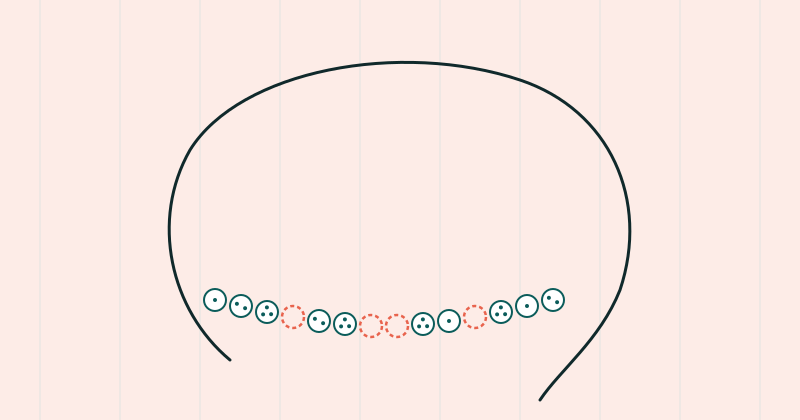 The Donor Area: Healing, Scars and Over-HarvestingThe back of your head is the budget for every transplant you will ever have. How it heals, what scars it keeps, and what happens when too much is taken.
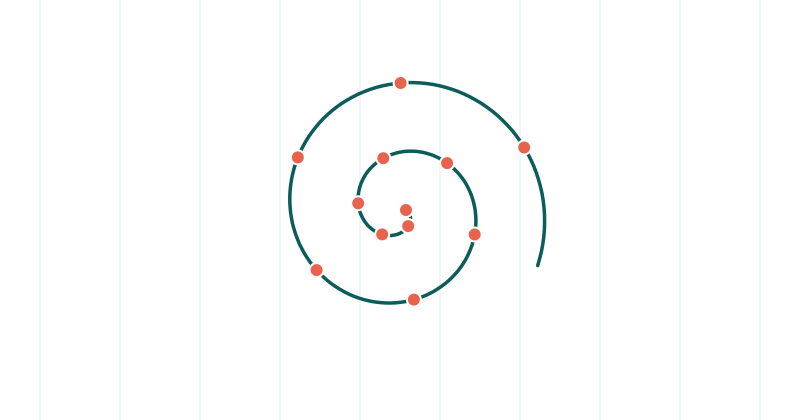 Crown Hair Transplants, and Why They're HarderThe crown grows in a spiral, is seen from above and can keep expanding. Why surgeons treat it more cautiously than the hairline, and what to ask.
 Hair Transplant Timeline, Month by MonthThe first fortnight is about healing; the next year is about waiting. What each stage of recovery usually looks like, and what is still normal.
 Shock Loss After a Hair Transplant: What Is HappeningLosing hair after surgery meant to add it is unnerving. Shock loss is usually temporary shedding of native hair, and it is different from the expected shedding of grafts.
 Hair Transplant Side Effects, and When to Call the ClinicWhat is normal after a hair transplant, what is a complication, and which signs mean you should call your clinic today rather than wait.
 Is a Hair Transplant Permanent? Donor Dominance, HonestlyTransplanted follicles usually keep growing for the long term. The hair around them may not. Here is what "permanent" can and can't mean.
 Hair Transplant Gone Wrong: Repair and the Technician ProblemBad transplants tend to fail in a handful of recognisable ways, often traced to who held the instruments. What goes wrong, what repair can do, and what it can't.
What surgeons report
Two figures from the International Society of Hair Restoration Surgery’s 2025 practice census, as quoted in our hair transplant guide and our guide to transplants gone wrong.
Men
FUE 85.4%Strip 12.5%Both 2.1%
Women
FUE 68.2%Strip 30.0%Both 1.9%
Share of members' procedures by harvest method, 2024 data. Source: ISHRS 2025 Practice Census (182 responses to this question).
10%
mean share of members’ cases that repair earlier black-market work (median 5%)
of members say black-market clinics operate in their city
Members' reports about their own practices, 2024 data (155 and 153 responses). Source: ISHRS 2025 Practice Census.
Why a route map
A hair transplant is a journey with a fixed start and a fixed supply. Every graft starts in the donor zone at the back and sides of your head, travels a short distance, and settles into a new place. None is created along the way, so each decision about where grafts go is also a decision about what is left behind.
That is the idea behind the line drawn across this site. Each stop is one part of the procedure, and each guide explains one stretch of it in plain language, with the source named beside every fact that could change.
What we cover, and what we don't
We cover the surgery itself: the harvest methods, the difference between a technique and a brand name, candidacy, the day, the recovery timeline, the side effects and the repair of work that went wrong. We don't cover prices or destinations, we don't rank clinics or surgeons, and we don't publish before-and-after photos or patient stories.
Nothing here is medical advice, and nothing has been reviewed by a clinician. The only person who can tell you whether surgery suits you is a qualified doctor who has examined your scalp, and the first step is usually a diagnosis from a GP or dermatologist, which costs nothing with us and pays us nothing.
Where to start
If you are new to the subject, start with our guide to what a hair transplant is and how it works. If you are comparing clinic offers, read FUE vs FUT vs DHI before anything else: it explains which names describe a real technique and which describe a pen. If you have already had surgery and are worried about shedding, the month-by-month timeline shows what is normal at each stage.